The trombone is one of the most instantly recognizable brass sounds in music—bold, warm, and wonderfully expressive. Part of its charm is the slide, which lets the player glide between notes in a way that feels almost vocal. A trombone can sound heroic in a symphony, punchy in a big band, smooth in jazz ballads, and playful in pop and funk lines. It’s an instrument that can blend into the brass section or step forward with a solo that grabs attention. If you’ve ever heard a brassy “wah” or a silky slide into a note and smiled without thinking, there’s a good chance a trombone was involved. In this Sax and More Music guide, we’ll explore how the trombone works, why it’s so versatile, and how different types expand what this instrument can do.
What the Trombone Is and How the Slide Creates Its Magic
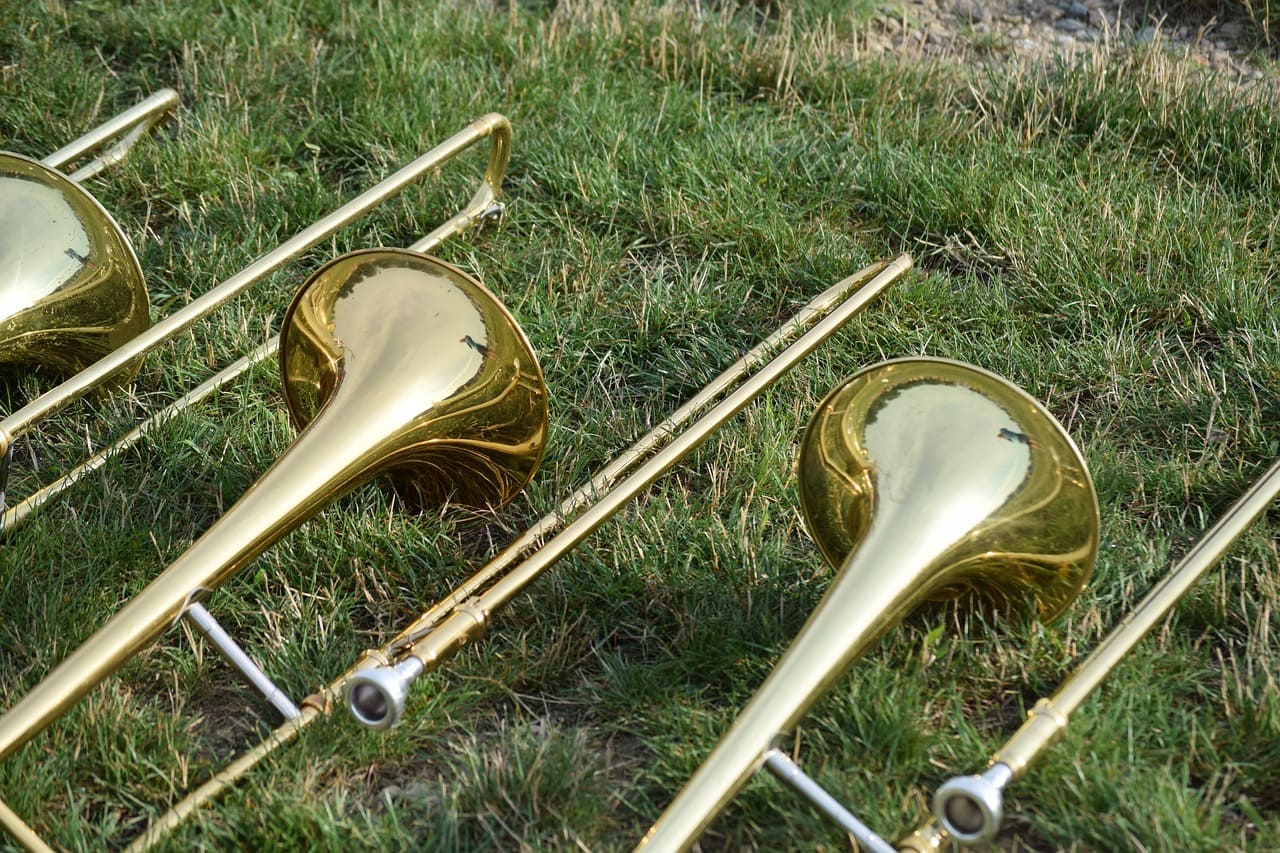
The trombone instrument produces sound the same way most brass instruments do: the player buzzes their lips into a mouthpiece, sending vibrations through the tubing and out the bell. What makes the trombone unique is that instead of relying only on valves, it uses a slide to change pitch. Moving the slide changes the length of the tubing, which changes the note.
That slide creates the trombone’s signature ability: smooth pitch shifts. A trumpet can jump between notes quickly and cleanly, but it can’t naturally glide between pitches the same way. The slide lets a trombone sing, bend, and smear notes with personality—one reason it fits so well in jazz and expressive orchestral writing.
Musical Instrument Trombone: Where It Shows Up and Why It Fits
The musical instrument trombone appears across genres because it can do many jobs well. In orchestras, it supports big climaxes and adds weight to brass harmonies, often delivering powerful chords that feel like a wall of sound. In concert bands, it provides strong mid-to-low brass support and can carry punchy rhythms that energize the ensemble.
In jazz and big band music, the trombone often shines. It can punch accents in section writing, play smooth melodies in ballads, or deliver solos that range from silky to comedic. In pop and funk, trombones bring a brassy “bite” that makes horn sections feel alive. In other words, the trombone is both a team player and a spotlight instrument.
Bass Trombone: The Deep, Powerful Extension
The bass trombone takes the trombone sound lower and heavier, adding depth and authority to the brass section. It’s often used to anchor trombone harmonies and reinforce low lines alongside tubas and basses. The sound is broader and darker than a tenor trombone, and it’s especially effective in dramatic orchestral moments and powerful film-score writing.
In ensembles, a bass trombone can make the entire group feel bigger. Even when you don’t hear it as a distinct line, you feel its weight in the harmony—like adding a strong foundation beneath a building.
Valve Trombone: A Different Feel, Same Voice
A valve trombone replaces the slide with valves, similar to a trumpet. The result is a trombone-like tone with a different playing approach. Some players enjoy it for fast technical passages where valves can be more direct than slide movement, and it’s also used in certain musical traditions where the valve feel is preferred.
The tradeoff is that you lose some of the slide’s natural glissando magic. You can still shape phrases expressively, but the valve trombone won’t create the same smooth, continuous pitch slides that make the classic trombone so iconic.
Piccolo Trombone: Small Size, Bright Edge
The piccolo trombone is less common, but it’s a fascinating part of the trombone family. It’s smaller and higher in pitch, offering a brighter, more agile sound. It can bring an unusual color to arrangements that want a trombone flavor but in a lighter register.
Because it’s rare, many listeners experience it more as a curiosity or specialty voice than a standard ensemble instrument. Still, it shows how wide the trombone family can be—from deep and thunderous to bright and compact.
Technique and Tone: What Makes a Great Trombone Sound
Great trombone playing is about more than slide movement. Players develop:
- Clean articulation: clear note starts without harshness
- Smooth slide technique: accurate positions and seamless transitions
- Breath support: steady airflow for a full, resonant tone
- Controlled dynamics: power when needed, softness when the music calls for it
- Musical phrasing: shaping lines so the instrument “speaks” naturally
A beautiful trombone tone can be surprisingly warm and lyrical—especially in softer passages where the sound feels like a low, glowing voice.
A Natural Contrast: Trombone and Clarinet
The trombone pairs and contrasts interestingly with woodwinds like the clarinet. The clarinet’s tone can be smooth and flexible, often blending into textures with a rounded warmth. The trombone, on the other hand, brings a broader brass resonance and can project with a more commanding presence. When a clarinet melody is followed by a trombone entrance, the shift can feel dramatic—like moving from an intimate storyteller to a bold announcement. In mixed ensembles and film-style arrangements, that contrast is used to build emotion and keep the listener engaged.
Conclusion
The trombone is a brass instrument with a voice that can do it all: sing, shout, swing, and glide. Whether you’re drawn to the classic trombone instrument with its expressive slide, curious about variations like bass trombone, valve trombone, or the rare piccolo trombone, the musical instrument trombone offers a huge range of sound and personality. And when you hear it alongside instruments like the clarinet, you can appreciate how it changes the color of an ensemble—adding warmth, power, and expressive motion in a way few instruments can match. Once you start listening for trombones, you’ll recognize how often they’re the secret ingredient behind music that feels big and alive.