
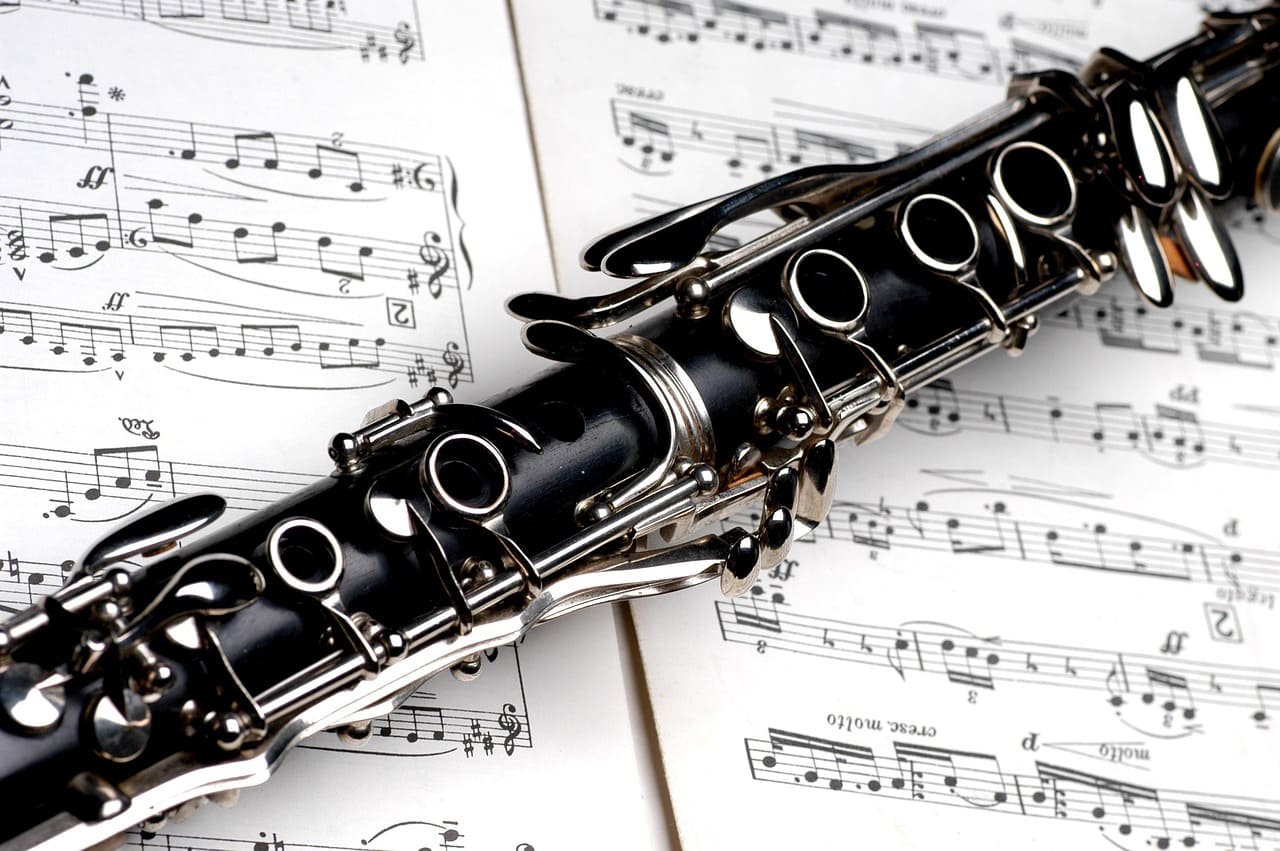
The clarinet is one of the most flexible instruments in the music world. It can sound warm and gentle like a quiet conversation, then turn bright and playful in the next phrase. In orchestras, concert bands, jazz groups, and marching bands, the clarinet often acts as a musical “translator,” blending easily with many sections while still having a distinctive voice of its own. Part of what makes the clarinet special is its huge range and the way it can shift tone color—soft and velvety in the low notes, clear and singing in the middle, and sparkling up high. Whether you’re a listener learning to recognize instruments or a beginner thinking about what to play, the clarinet is a wonderful doorway into woodwind sound. In this Sax and More Music guide, we’ll explore what the clarinet is, how it works, and how the clarinet family expands into deeper, dramatic versions.
What the Clarinet Is and How It Makes Sound
The clarinet instrument is a woodwind that uses a single reed attached to a mouthpiece. When you blow, the reed vibrates against the mouthpiece and creates sound that travels through the instrument’s body. Keys open and close tone holes to change pitch, giving the clarinet a wide range and a surprisingly nimble feel.
Unlike some instruments that have one “main” tone color, the clarinet can shift character dramatically across its range. Low notes can feel dark and cozy, almost like a warm voice. Middle notes often sound smooth and lyrical. High notes can be bright and exciting, slicing through an ensemble when needed.
Why the Clarinet Blends So Well
One reason the clarinet is everywhere is that it blends beautifully with many instrument families. It can match the warmth of strings, the brightness of other woodwinds, and even the power of brass when it needs to project. In bands, multiple clarinets often create a lush, unified sound that can carry melodies or fill harmonies without sounding heavy.
This blending power also makes the clarinet a great ensemble instrument. It’s easy to be useful—supporting chords, playing counter-melodies, or adding motion with fast lines—while still having opportunities to shine.
The Clarinet Family: More Than One Instrument
When people say “clarinet,” they usually mean the standard soprano clarinet, but the clarinet family includes several members that extend the range downward.
Bass Clarinet and Its Signature Depth
The bass clarinet is a favorite for its rich, smoky low register. It keeps the clarinet’s smooth reed tone but adds dramatic weight and warmth. In orchestras and concert bands, it often supports low harmonies, provides moody solos, and adds a dark color that can feel mysterious or cinematic.
You’ll also hear the phrase bass clarinet instrument when people want to emphasize that it’s a distinct member of the clarinet family—not just “a clarinet that plays low,” but an instrument with its own role and personality. In modern compositions and film-style music, bass clarinet lines can feel like a shadow moving underneath the main melody.
Contrabass Clarinet and the Extreme Low End
The contrabass clarinet takes that low voice even further, reaching into ranges that feel almost like a rumble. It’s less common, but when it appears, it can make an ensemble sound enormous. It’s often used for special color, deep reinforcement, or dramatic effects that standard instruments can’t quite produce.
Double Bass Clarinet: A Name You’ll See
You may encounter the term double bass clarinet, which is often used to describe very low clarinet types in general conversation. People use it to communicate the idea of “the clarinet that goes way down.” Whether the term is used casually or specifically, the musical concept stays the same: a clarinet voice expanded into a powerful, foundational register.
Tone, Technique, and Why the Clarinet Is So Expressive
Clarinet sound depends heavily on airflow, embouchure (mouth shape), and reed setup. Small adjustments can change the tone from airy to focused, from mellow to brilliant. This sensitivity is part of the clarinet’s charm—it allows the player to shape phrases with a lot of nuance.
Clarinet technique also supports expressive playing:
- Smooth legato lines that feel like singing
- Crisp articulation for lively rhythms
- Wide dynamic range, from whisper-soft to strong and clear
- Fast fingerwork for energetic runs and ornaments
That combination is why clarinet solos can feel so personal. The instrument can sound like it’s speaking directly to the listener.
A Natural Musical Connection: Clarinet and Cello
The clarinet’s warmth often pairs beautifully with strings, especially the cello. The cello brings deep, resonant, human-like tone, and the clarinet can blend with it in a way that feels seamless—like two voices sharing the same story in different colors. In ensemble writing, a clarinet melody supported by cello lines can feel especially rich: the cello provides grounded warmth while the clarinet adds smooth clarity and gentle brightness. It’s one of the most satisfying woodwind-and-string combinations to listen for.
Conclusion
The clarinet is a true musical shape-shifter: smooth, expressive, and flexible enough to fit almost any style. Whether you’re exploring the classic clarinet instrument, falling in love with the deep voice of the bass clarinet, or discovering the dramatic low range of the contrabass clarinet and the idea behind a double bass clarinet, the clarinet family offers a wide world of sound. And when you hear the clarinet alongside the cello, you can appreciate how naturally it blends—adding warmth, clarity, and emotion in equal measure. Once you start listening for clarinets, you’ll notice how often they’re quietly holding a piece together—or stealing the spotlight with a single unforgettable line.