
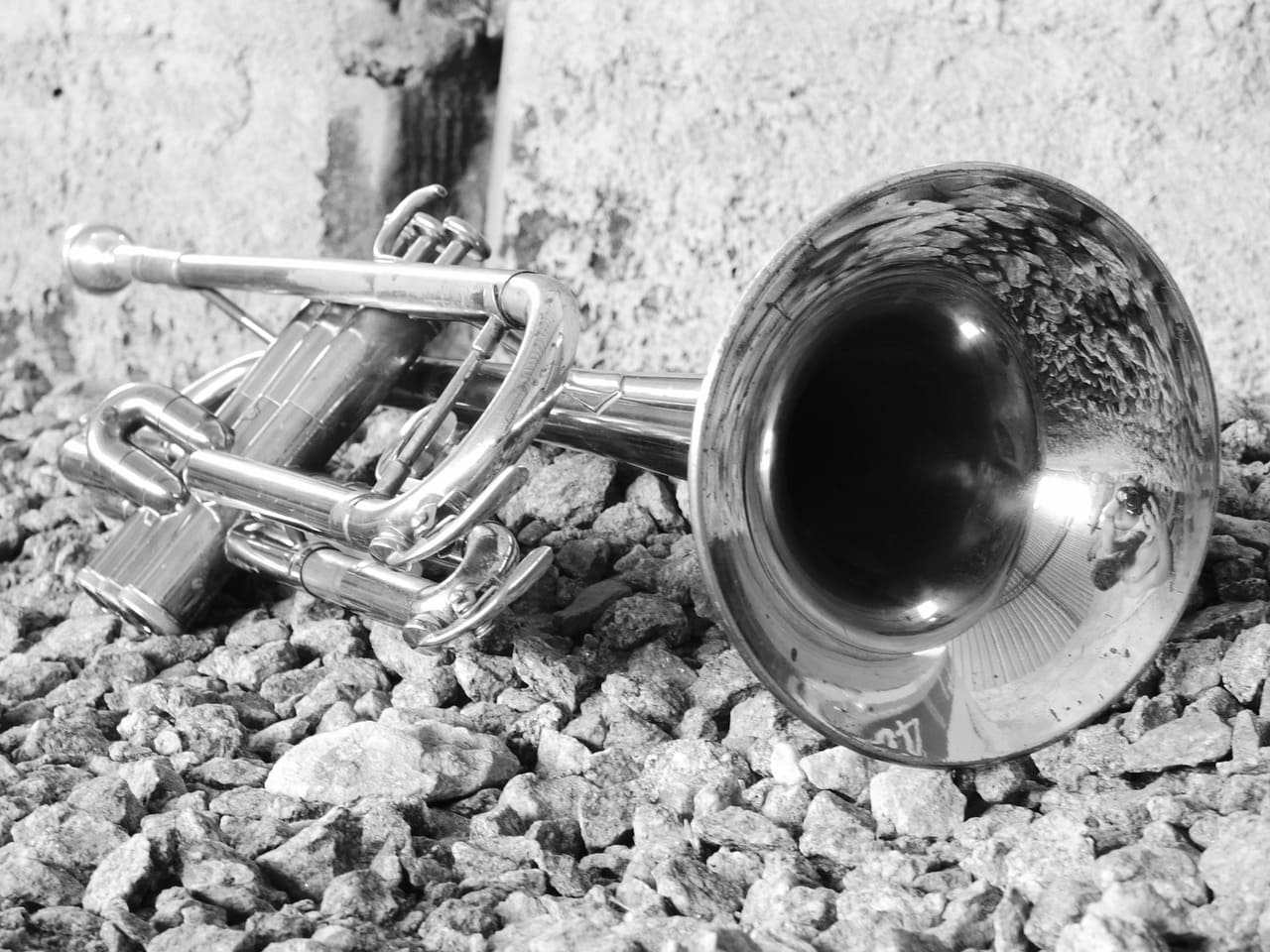
The trumpet is one of the most instantly recognizable instruments in music. Its sound can be brilliant and celebratory, soft and lyrical, or sharp and commanding—sometimes all within the same song. From orchestras and marching bands to jazz clubs and pop horn sections, the trumpet often plays the role of musical spotlight. It can announce a theme, punch a rhythm, or float a melody above everything else with a clean, shining tone. For beginners, it’s exciting because you can hear progress quickly; for advanced players, it becomes a lifelong craft of control and expression. In this Sax and More Music guide, we’ll explore what makes the trumpet special, how different trumpet types expand its voice, and why details like mouthpieces matter more than most people realize.
What the Trumpet Is and How It Produces Sound
The trumpet instrument is a brass instrument that produces sound when the player buzzes their lips into a mouthpiece. That buzzing creates vibrations that travel through the tubing and out the bell, forming the trumpet’s clear, projecting tone. Valves change the length of the tubing, allowing the player to play different notes.
What makes the trumpet stand out is its combination of projection and clarity. It can cut through an ensemble with ease, which is why it often carries lead lines. But it can also blend when played with control, adding brilliance to chords without overpowering the group.
Why the Trumpet Is So Versatile
A trumpet can be:
- Heroic: fanfare-style lines and powerful climaxes
- Tender: soft melodies that feel intimate and emotional
- Rhythmic: sharp accents that add punch to grooves
- Playful: jazzy riffs, slides, and expressive “talking” phrasing
This versatility is why the trumpet appears in so many musical traditions. In classical music, it often signals triumph or brilliance. In jazz, it can sing like a voice, bending notes and shaping phrases with personality. In pop and funk, it adds energy and sparkle that makes a track feel alive.
Trumpet Mouthpieces: Small Part, Big Difference
Trumpet mouthpieces might look like minor accessories, but they shape nearly everything: comfort, tone, articulation, and endurance. Different mouthpieces can make the sound brighter or warmer, make high notes easier or harder, and change how the instrument responds.
In simple terms, the mouthpiece is where the player meets the instrument. The rim feel affects comfort; the cup depth influences tone; the throat and backbore affect airflow and resistance. That’s why players often experiment—because the right mouthpiece can make playing feel smoother and more consistent, especially for long rehearsals or demanding performances.
Variations in the Trumpet Family
The trumpet world includes several interesting variations that offer different ranges and roles.
Piccolo Trumpet
The piccolo trumpet is smaller and plays higher than a standard trumpet. It’s often used for bright, brilliant lines in classical music and special solo passages where a crisp, high-register sound is needed. It can sound dazzling—like a beam of light—when played cleanly, but it also demands precision and control.
Pocket Trumpet
A pocket trumpet is compact and coiled more tightly, making it easier to carry while still producing a trumpet-like sound. Many people enjoy it for convenience or practice, and it can be a fun option for travel or casual playing. While it often sounds similar to a standard trumpet, the feel and projection can vary depending on the build, which makes it more of a specialty tool than a full replacement for everyone.
Baritone Trumpet
A baritone trumpet sits in a lower range and offers a thicker, darker voice compared to the standard trumpet. It’s less common, but it can be used to add a unique brass color—especially in ensembles that want a trumpet-style articulation in a lower register. It’s an example of how flexible the brass family can be when builders and composers explore new tonal spaces.
Trumpet in Ensembles: Lead Voice and Team Player
The trumpet often leads, but it also supports. In a big band, trumpets provide both soaring lead lines and tight section harmonies. In orchestras, they can reinforce climaxes and add brilliance to the brass choir. In marching bands, they bring projection and energy, helping melodies carry across a field.
The key skill is balance. Great trumpet players know when to blend and when to shine. A trumpet can dominate an ensemble if overblown, but it can also lift the entire group when played with control and musical intention.
A Natural Musical Connection: Trumpet and Saxophone
The trumpet and saxophone are often paired because they complement each other beautifully. The trumpet brings a bright, direct brass tone, while the saxophone adds a smooth, reed-based warmth that can feel more rounded and flexible. In jazz, this pairing is iconic: trumpet lines can cut and sparkle while saxophone phrases can glide and sing, creating call-and-response conversations that feel alive. In pop horn sections, trumpet adds punch and saxophone adds body, making the section sound full and exciting. Hearing them together is a great way to understand how different instruments can “speak” in different textures while sharing the same musical energy.
Conclusion
The trumpet instrument earns its reputation as a leader because its voice is clear, bright, and emotionally powerful. Whether you’re fascinated by specialized types like the piccolo trumpet, curious about the compact charm of a pocket trumpet, exploring the deeper color of a baritone trumpet, or learning how trumpet mouthpieces shape comfort and tone, the trumpet world offers endless ways to grow. And when you hear the trumpet alongside the saxophone, you can appreciate how it fits into real music: a bold voice that can lead, blend, and light up an ensemble with just a few perfectly placed notes. Once you start listening for the trumpet, you’ll realize it’s often the reason a song feels like it’s lifting off.