
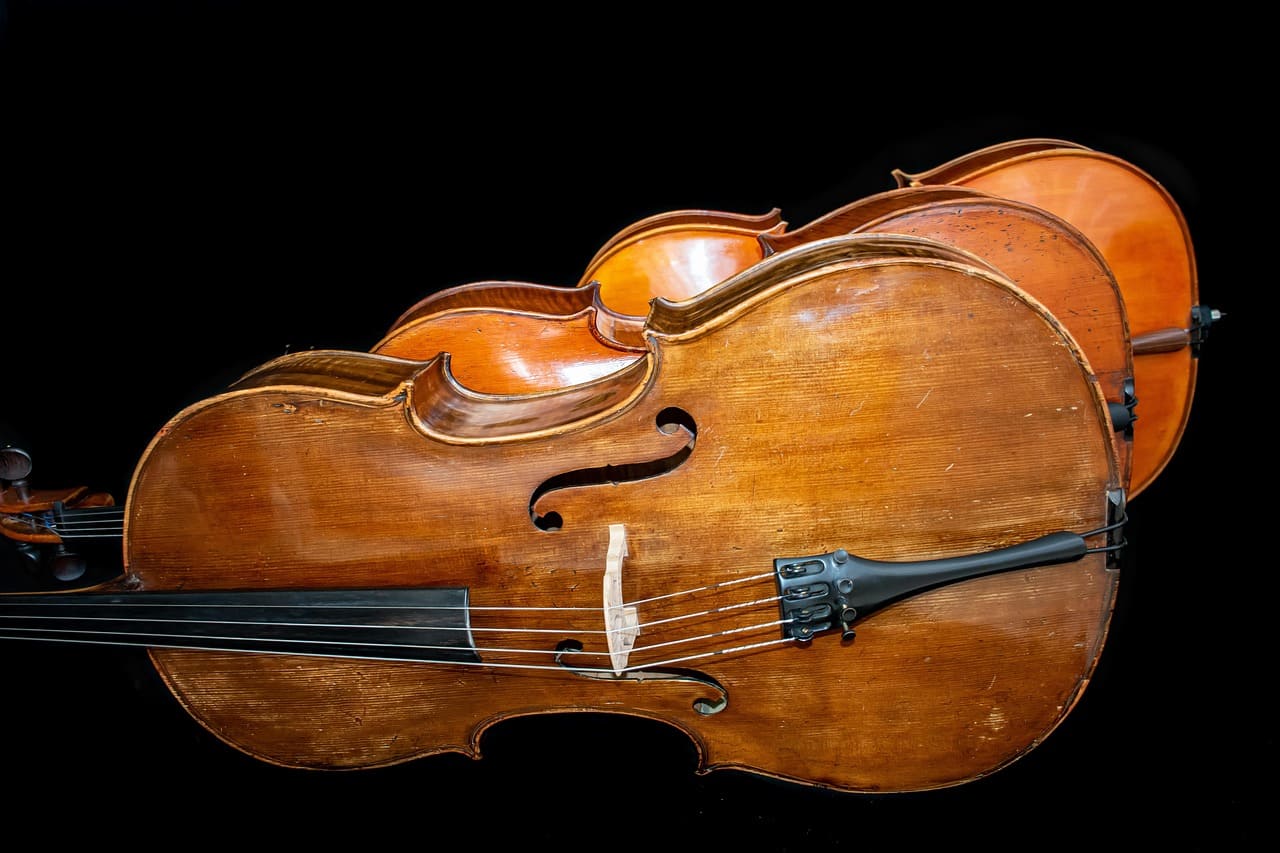
The cello is one of the most emotionally recognizable instruments in music. Its voice sits close to the range of the human voice, which is why a cello melody can feel like it’s speaking directly to you—warm, grounded, and intensely expressive. The cello can whisper in soft, intimate lines, then rise into powerful phrases that sound heroic without ever becoming harsh. You’ll hear it in orchestras, chamber groups, film scores, pop arrangements, and solo performances where a single player can fill a room with sound. For beginners, the cello may look large and complex, but its role is easy to understand: it’s the bridge between the brightness of higher strings and the deep foundation of the bass. In this Sax and More Music guide, we’ll explore what makes the cello unique, why its tone is so compelling, and how it fits into both classical traditions and modern musical culture.
What the Cello Is and Why It’s Called a Violoncello
The cello instrument is a bowed string instrument held upright between the knees, with an endpin resting on the floor. It belongs to the violin family, along with the violin and viola, but its larger body creates a deeper, richer tone. The formal name for the cello is violoncello, and you’ll still see that word in concert programs, instrument descriptions, and classical music discussions.
The term cello violoncello shows up because people often use both names together—one casual, one formal—when describing the instrument. No matter what you call it, the identity stays the same: a string voice capable of both lyrical warmth and dramatic power.
How the Cello Produces Its Signature Sound
The cello’s sound comes from the bow’s friction against the strings, which sets the strings vibrating and resonates through the instrument’s wooden body. That resonance is why cellos can sound so full and “round.” The player controls tone through:
- Bow speed and pressure
- Contact point (closer to the bridge or fingerboard)
- Vibrato (a gentle pitch variation that adds warmth)
- Fingering and shifting between positions
Because the cello responds to tiny changes, it’s an instrument that rewards careful listening. The more control a player develops, the more the cello seems to “speak” with personality.
The Cello’s Role in Ensembles: Foundation and Melody
In orchestras and chamber music, the cello often carries the emotional weight. It can provide the foundation of harmony with steady low lines, but it can also step forward with melodies that feel rich and human. This dual role is part of why the cello is so beloved: it’s both support and spotlight.
In string quartets, the cello anchors the group, giving the music depth. In film scores, cellos often deliver the theme when a composer wants something that feels intimate, romantic, or serious. In modern pop and crossover music, the cello adds warmth and sophistication—sometimes replacing a synth pad or bass line with something more organic.
The Modern Spotlight: Hauser and the Pop-Crossover Cello
The cello has also become a major solo voice in modern culture, with performances that blend classical technique with pop energy. Searches like hauser cello and cello hauser reflect how many listeners discover the instrument through charismatic performers who bring it into stadium stages, viral videos, and contemporary arrangements.
This modern spotlight has helped more people recognize the cello as more than an “orchestra instrument.” It can be a front-and-center lead, capable of delivering hooks, riffs, and emotional climaxes without needing lyrics. That’s one of the cello’s superpowers: it can feel like a vocalist even when it’s purely instrumental.
Cello vs. Other Instruments: Why It Feels So Emotional
The cello’s emotional pull comes partly from its range. It lives in a space where melodies can feel both warm and clear—low enough to be comforting, high enough to soar. It’s also an instrument that naturally supports long, singing phrases. Even a slow melody can feel alive because the bow sustains sound smoothly.
Cellos also contrast beautifully with brighter instruments. When a piece moves from a cello line to something like a trumpet entrance, the color shift can be dramatic. The cello often feels intimate and human, while the trumpet can feel bold and radiant—like moving from a heartfelt confession to a bright announcement. Composers use that contrast to shape mood and momentum.
How to Listen for the Cello
If you want to train your ear, listen for a voice that feels:
- Warm and resonant, especially in the mid-low range
- Smooth and sustained, like a singer holding notes
- Capable of sudden intensity without sounding sharp
- Often placed where the music feels most emotional
Once you recognize it, you’ll notice how often the cello carries the “heart” of the arrangement—especially in slower themes and dramatic moments.
Conclusion
The cello instrument—also known as the violoncello—earns its reputation as one of music’s most expressive voices. Whether you encounter it in an orchestra, a film score, or a modern spotlight moment that leads you to searches like hauser cello or cello hauser, the cello has a unique ability to make melodies feel personal and alive. Its tone can anchor harmony, carry unforgettable themes, and blend beautifully with other instruments while still standing out. And when paired with a brighter voice like trumpet, the cello’s warmth becomes even more striking, proving how powerful musical contrast can be. Once you fall in love with the cello, you start hearing it everywhere—and you’ll understand why it’s often the instrument that makes music feel like it has a heartbeat.