
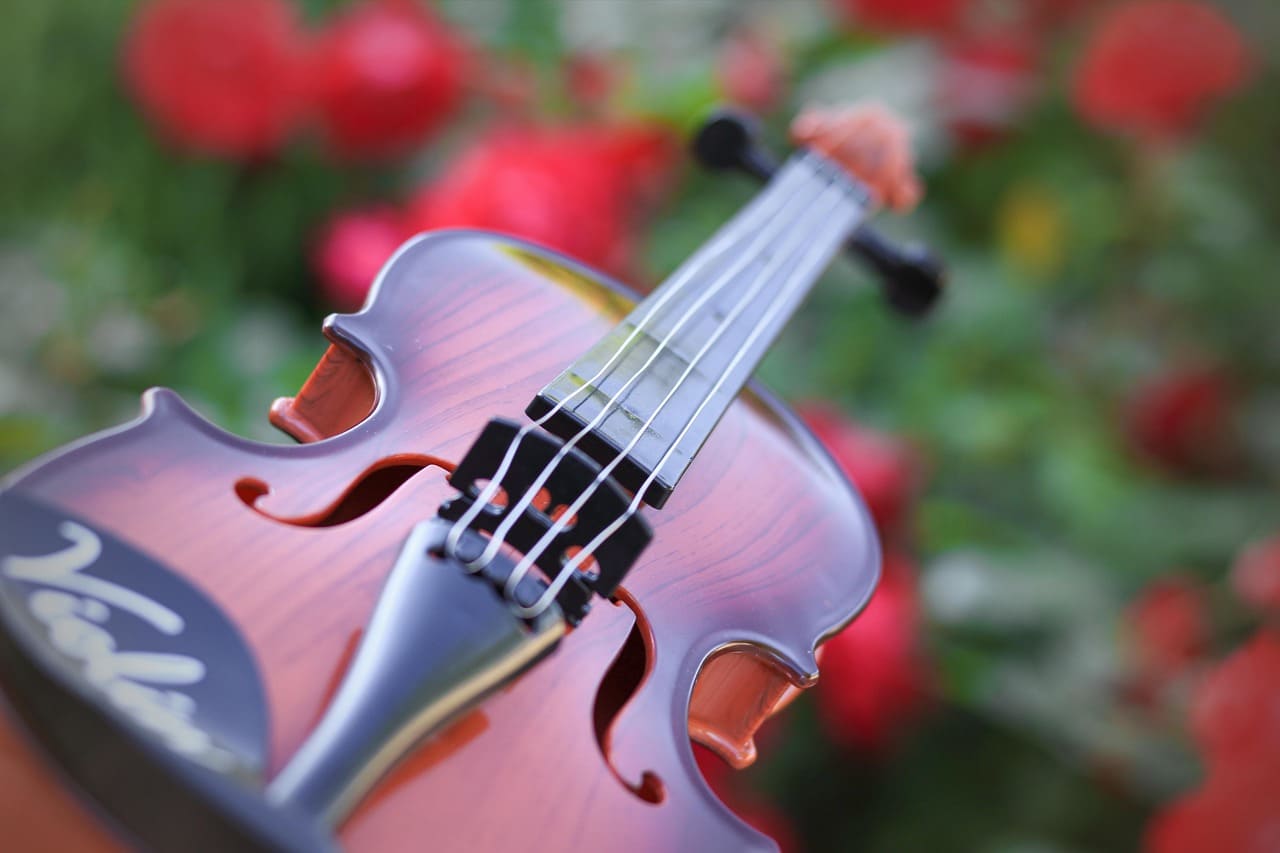
Fiddles are the sound of movement. They can glide through a slow, aching melody like a human voice, then flip into a fast, joyful dance tune that makes feet tap without permission. While the instrument is closely related to the violin, “fiddle” usually describes a style of playing—rooted in folk traditions, community music, and rhythms meant to be felt as much as heard. The fiddle can be sweet, gritty, bright, or bold depending on the player, the bowing, and the musical culture behind it. That flexibility is why fiddles show up everywhere: bluegrass jams, Celtic sessions, country bands, old-time dances, and even modern pop and film music. In this Sax and More Music guide, we’ll explore what makes fiddles unique, how fiddlers shape their sound, and how tuning, gear, and performance choices create different fiddle personalities.
What Makes “The Fiddle” Different From a Violin?
Technically, the instrument is built the same way, but the approach often differs. The fiddle is typically played with rhythms that prioritize groove and drive. You’ll hear more rhythmic bow patterns, quick ornaments, double stops, and expressive slides. Instead of aiming for perfectly smooth, classical phrasing, many fiddlers aim for energy and character—music that feels alive in a room full of people.
This is why “the fiddle” is often described as an instrument that belongs to a community. It’s not only about performance; it’s about participation—playing for dancers, trading tunes with friends, and learning by ear.
Tuning and Tone: Why a Fiddle Tuner Matters
Fiddles thrive on resonance, and tuning is where that resonance begins. A reliable fiddle tuner helps you get in tune quickly, which is especially important in jam settings where the music moves fast. Even a slight tuning issue can make chords and double stops sound sour.
Many fiddlers also change tunings for certain styles. Alternate tunings (sometimes called cross-tunings) can make the instrument ring differently, emphasizing certain strings and making dance rhythms feel bigger. When you shift tunings, a tuner becomes even more valuable because you’re stepping outside the standard tuning patterns your ear might be used to.
Famous Craftsmanship and the Myth of the “Perfect Fiddle”
The phrase stradivarius fiddle often comes up when people talk about legendary instruments and old-world craftsmanship. Stradivari violins are among the most famous and valuable string instruments in history, and the name has become a symbol of rare quality and mystique. In everyday conversation, people sometimes use “Stradivarius” to mean “the best possible instrument.”
But here’s the real truth for most players: the “best” fiddle is the one that fits your hands, your style, and your sound goals. A comfortable neck, a responsive bow feel, and a tone you love will do more for your playing than chasing a brand name. Great fiddling comes from rhythm, listening, and practice—not only from the instrument’s price tag.
Modern Options: The Electric Fiddle
An electric fiddle opens up a whole new world. Instead of relying on the instrument’s acoustic body to project sound, electric models use pickups and amplification, which makes them perfect for stage setups, effects pedals, looping, and loud bands. You can add reverb, delay, distortion, and other textures—turning traditional fiddle lines into modern soundscapes.
Electric fiddles also solve practical challenges. In a noisy venue, amplification helps the fiddle be heard clearly without forcing the player to over-bow. That can reduce fatigue and improve tone control. For players who love tradition but also love experimentation, electric fiddle setups can be the best of both worlds.
“Key Fiddle”: Understanding Keys and Playability
People sometimes say key fiddle when they’re thinking about what key a tune is in or which key feels most natural on the instrument. Many fiddle traditions favor certain keys—often ones that allow open strings to ring, like D, G, A, or related modes. Those keys feel good under the fingers and they make the fiddle sound big and resonant.
Understanding keys also helps when you’re playing with others. Fiddle tunes are often shared by ear, and knowing common keys makes it easier to join in quickly. If you can recognize a tune’s key and the chords behind it, you become a more confident session player.
Fiddle Sound in Bigger Ensembles
While fiddles often shine in folk settings, they also blend beautifully in larger ensembles. In crossover arrangements, a fiddle line can float above orchestral textures, adding rustic brightness. And interestingly, fiddles can create a striking contrast with deeper instruments like the bassoon. The bassoon’s rich, woody tone sits low and warm, while fiddles bring bright, agile motion on top. When arranged well, that high-low pairing can make music feel wide and dramatic—like two different storytelling voices working together.
Conclusion
Fiddles are more than a string instrument—they’re a musical language shaped by rhythm, tradition, and personal style. From using a dependable fiddle tuner to keep your sound clean, to exploring the legend of a stradivarius fiddle, to stepping into modern performance with an electric fiddle, the instrument offers endless paths for creativity. Even the way you think about key fiddle choices—what keys feel natural, what tunes ring best—can shape your whole playing experience. And when paired with unexpected partners like the bassoon, fiddles prove they can fit anywhere: from intimate sessions to big, cinematic sound worlds. Whether you’re learning your first tune or chasing your hundredth, the fiddle always has another story to tell.