
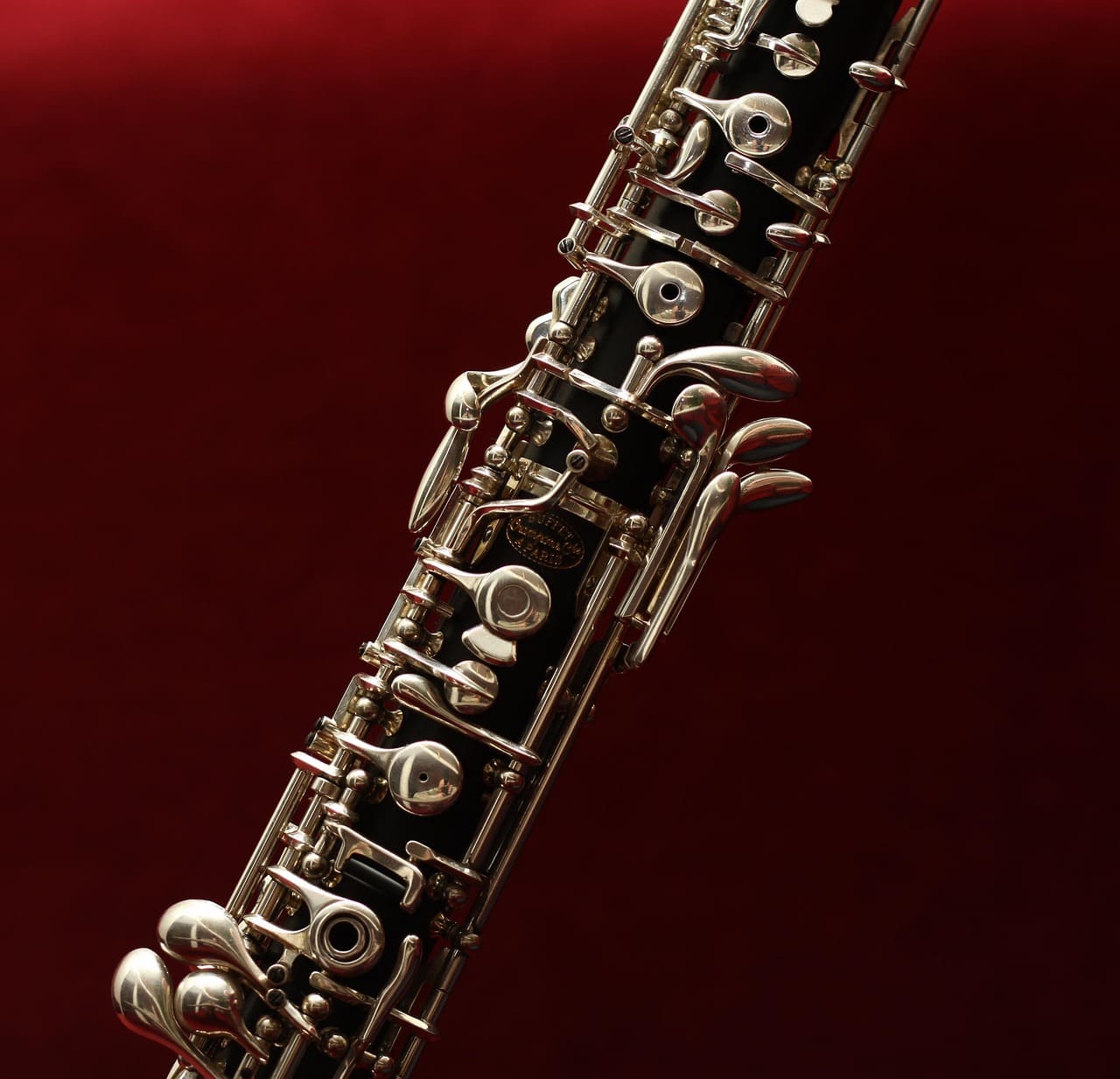
The oboe is one of the most recognizable sounds in music: focused, clear, and emotionally direct, like a voice that speaks in a single breath. It can sound haunting, tender, bright, or even piercing—often all within the same piece. Because its tone carries so well, the oboe is frequently featured in memorable melodies, especially in orchestras, concert bands, and film music. Many listeners don’t know the instrument by sight, but they know the sound immediately when it appears. For players, the oboe is both rewarding and demanding, requiring careful breath control and attention to detail. In this Sax and More Music guide, we’ll explore what makes the oboe unique, how it fits into the woodwind family, how it compares to similar instruments, and why different oboe types expand its range.
What the Oboe Is and Why It Sounds So Distinct
The oboe instrument is a double-reed woodwind. Instead of a single reed like a clarinet or saxophone, the oboe uses two thin pieces of cane tied together. When air passes through, those reeds vibrate and produce the oboe’s signature tone—focused, reedy, and rich in overtones.
The oboe’s design also contributes to its sound. Its conical bore helps it project strongly, which is why it can be heard clearly even in a full orchestra. That projecting quality makes it perfect for carrying melodies that need to stand out, but it also means the oboe demands careful control so the sound stays musical rather than overly sharp.
Oboe Woodwind: The Role It Plays in Ensembles
As an oboe woodwind, the oboe often acts as a color instrument—one that brings a specific emotional quality to a section. In orchestras, it frequently carries lyrical themes, countermelodies, and expressive solos. It can also blend beautifully with strings, adding a gentle edge that helps melodies feel more defined.
In concert bands, the oboe is sometimes used more sparingly, but it still plays a crucial role when it appears. A single oboe line can instantly change the mood of a piece, especially in quiet passages where its tone feels intimate and personal.
Oboes also contribute to tuning culture in ensembles. Many groups tune to an oboe pitch because its tone is stable and easy to reference, which makes it central even when it isn’t playing the main melody.
Clarinet v Oboe: How They Compare
Many people wonder about clarinet v oboe because they’re both common woodwinds and often appear in the same settings. The key differences come down to reed type and tone.
The clarinet, with its single reed and cylindrical bore, can sound rounder and more flexible across registers. It often blends smoothly and can shift from warm to bright with ease. The oboe, with its double reed and conical bore, tends to sound more focused and direct—like a spotlight in the woodwind section. If the clarinet feels like velvet, the oboe often feels like a clear beam of light.
For beginners deciding between them, it often comes down to which sound you’re drawn to: the clarinet’s mellow versatility or the oboe’s expressive edge.
The Bass Oboe: A Deeper Voice in the Family
The bass oboe extends the oboe family into a lower range, offering a darker, fuller tone while keeping the recognizable double-reed character. It’s less common than the standard oboe, but when composers use it, the effect can be striking—like the oboe’s voice suddenly gained a shadowy depth.
In ensemble writing, bass oboe parts can add richness to the low woodwinds without sounding as thick as a bassoon. It’s a color tool—something that changes the atmosphere rather than simply doubling another line.
Craft and Reputation: Howarth Oboe and Oboe Howarth London
Oboe players often become very aware of craftsmanship because the instrument is sensitive and precise. You may hear people talk about a howarth oboe or search for oboe howarth london when exploring reputable makers and instrument options. These phrases reflect the real-world way musicians think: not just “I play oboe,” but “Which instrument feels responsive, stable, and right for my sound?”
Regardless of brand, what matters most is how the instrument responds to your embouchure (mouth shape), breath support, and reed setup. A well-matched oboe can make playing feel more consistent and enjoyable, while a poorly matched one can feel like you’re fighting for every note.
How the Oboe Sits With Other Sections
The oboe pairs beautifully with strings and other woodwinds, but it also creates interesting contrasts with brass. A natural example is the trombone. The trombone’s sound is broad, brassy, and capable of smooth slides and powerful presence. The oboe is narrower, more focused, and intensely expressive. When music moves from a gentle oboe line to a strong trombone entrance, the contrast can feel dramatic—like a whisper turning into a proclamation. Composers use that contrast to shape emotion and dynamics in powerful ways.
Conclusion
The oboe is a small instrument with a huge emotional reach. As an oboe woodwind, it can carry melodies that feel intimate, cut through ensembles with clarity, and add color that changes the entire mood of a piece. Whether you’re comparing clarinet v oboe, exploring makers through terms like howarth oboe and oboe howarth london, or discovering deeper family voices like bass oboe, the oboe offers a rich world of sound and craftsmanship. And when placed against bold brass voices such as the trombone, its focused tone becomes even more striking. Once you learn to recognize the oboe’s voice, you’ll start hearing its storytelling power everywhere.