
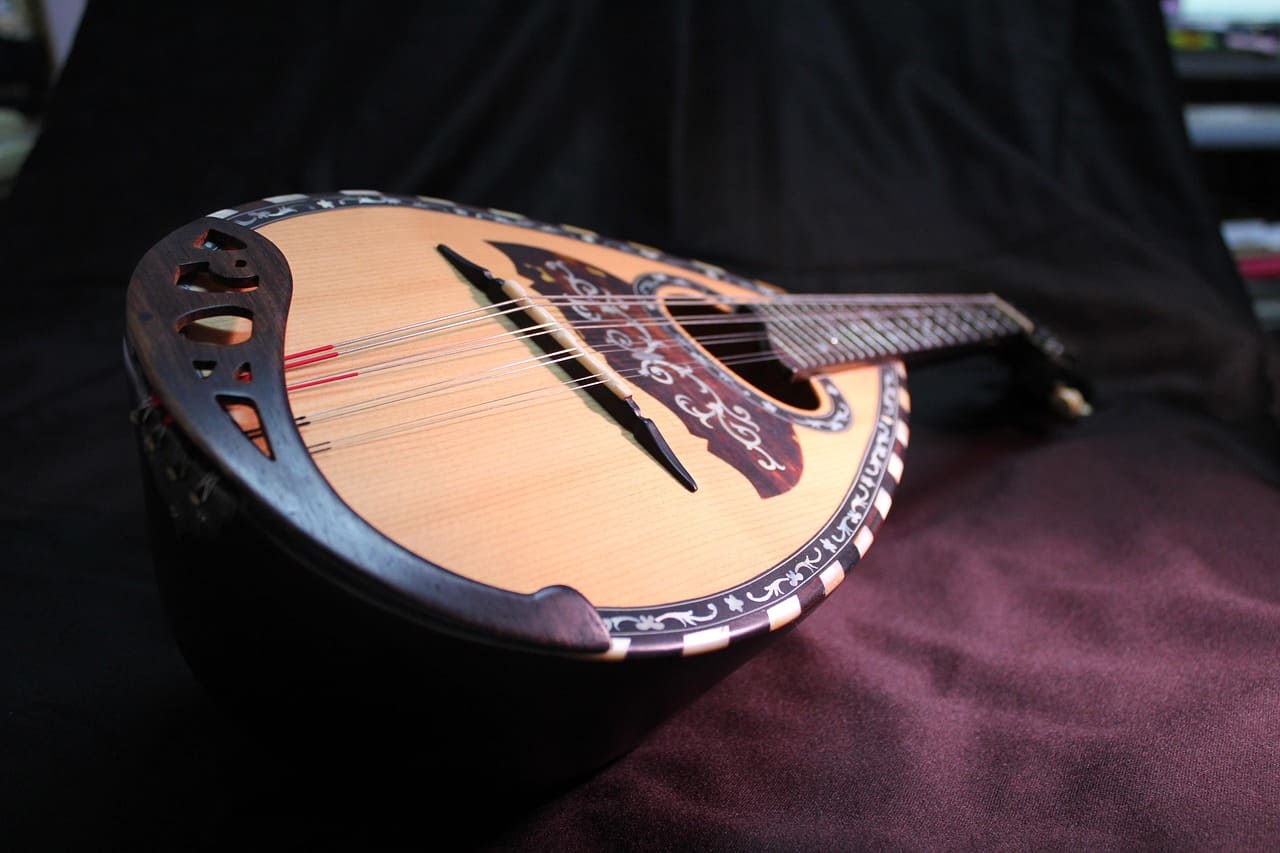
Mandolins are small instruments with a big personality. Their sound is bright, crisp, and chiming—like sunlight hitting glass—making them perfect for adding energy and clarity to a mix. You’ll hear mandolins in bluegrass, folk, country, Celtic-inspired music, acoustic pop, and even modern recordings that want a quick, sparkling texture. Part of the charm is how responsive they are: a light touch can sound delicate and pretty, while a stronger pick attack can drive rhythm and make a song feel like it’s moving forward. If you’ve ever wondered why certain acoustic tracks feel lively even without drums, the mandolin is often part of the answer. In this Sax and More Music guide, we’ll explore what the mandolin is, how its strings create that signature jangle, and how different mandolin types expand the instrument’s range.
What a Mandolin Is and Why It Sounds So Distinct
A mandolin instrument is a small, fretted string instrument typically played with a pick. Most standard mandolins have four pairs of strings—eight strings total—tuned in pairs. Those paired strings are one reason the mandolin musical instrument sounds so bright and “shimmery.” When two strings ring together, the tone becomes fuller and more brilliant than a single string would on its own.
Mandolins also have a quick note attack: the sound starts fast and clear, which makes the instrument great for rhythmic chops and crisp melodies. Unlike instruments that sustain easily, a mandolin’s notes can decay quickly, so players often use tremolo (rapid picking) to create a longer, singing tone.
Mandolin String Basics: What the Strings Do for Tone
Mandolin string setup matters more than people expect. Because strings are doubled, the instrument’s sound relies on balance—each pair should ring evenly so the tone feels clean and confident. If one string in a pair is slightly out of tune, the result can sound “wobbly,” which some players like for texture, but most prefer a clear shimmer.
The feel of the strings also affects your playing style. Some setups feel light and quick for fast melodies. Others feel sturdier for strong rhythm “chops.” A good string setup helps you play comfortably and makes the mandolin sound consistent across all registers.
How Mandolins Are Used: Rhythm, Melody, and the Famous “Chop”
Mandolins often take on three main roles:
1. Rhythm drive:
In bluegrass especially, mandolins are famous for the “chop”—a short, percussive chord hit that acts like a snare drum on the backbeat. It’s one of the coolest examples of a string instrument functioning like percussion.
2. Melody and lead lines:
Mandolins can play quick, expressive melodies that cut through a mix. Their bright tone makes even simple lines sound energetic.
3. Texture and sparkle:
In modern recordings, mandolins often appear as a layer: a subtle shimmer behind vocals or guitars that adds life without stealing the spotlight.
Because the sound is so clear, a little mandolin goes a long way.
Expanding the Family: Octave and Tenor Mandolins
Mandolins aren’t just one instrument—there are multiple types that offer different ranges and vibes.
Octave mandolin:
An octave mandolin is larger and tuned lower than a standard mandolin. It keeps the mandolin character but adds warmth and depth, making it great for rich accompaniment and fuller melodic lines. If standard mandolin feels bright and sharp, the octave version feels broader and more grounding.
Tenor mandolin:
A tenor mandolin sits in its own sweet spot, often offering a slightly different tuning or feel depending on the instrument’s design. It can bridge the gap between standard mandolin brightness and the deeper resonance of larger variants, giving players flexibility in ensemble settings.
These variations are especially useful if you love the mandolin sound but want to explore different registers without switching to a totally different instrument family.
Learning Curve: Why Mandolins Reward Practice
Mandolins are friendly to beginners because the instrument is small and the sound is instantly pleasing. But they also reward deeper practice because precision matters. Since notes start so clearly, timing and accuracy are very noticeable. Clean fretting, even picking, and solid rhythm make a big difference.
Tremolo is also a classic mandolin skill. When done well, it turns short notes into long, singing phrases—one of the reasons mandolins can sound surprisingly emotional and lyrical, not just bouncy and bright.
A Natural Comparison: Mandolin and Oboe as “Color” Instruments
Mandolins and the oboe live in different families—strings versus woodwinds—but they share an interesting role: both can add distinct color to an ensemble. The oboe has a focused, expressive tone that stands out immediately, often carrying melodies that feel almost like a human voice. Mandolins add brightness and rhythmic sparkle in a similarly noticeable way, especially in acoustic arrangements. In crossover music, pairing them can be beautiful: the oboe’s lyrical line floating above while the mandolin provides crisp motion underneath. It’s a great reminder that “signature sound” isn’t limited to one instrument family.
Conclusion
Mandolins bring instant life to music: crisp rhythm, bright melody, and a sparkling texture that feels both classic and modern. Whether you’re exploring the mandolin musical instrument for its famous chop, learning how mandolin string setup shapes tone, or branching out into an octave mandolin or tenor mandolin for deeper range, the instrument offers endless ways to play. And when you listen for how mandolins can color a song—much like the oboe colors an orchestral phrase—you start appreciating how a small instrument can make a big musical difference. Once a mandolin is in the mix, everything feels a little more awake.