
Musical instruments are like different voices in a conversation—some speak in bright bursts, some whisper in warm tones, and some rumble like distant thunder. When you learn how instrument families work, listening becomes more fun because you start noticing who’s carrying the melody, who’s shaping the rhythm, and who’s adding color in the background. At Sax and More Music, we love the way instruments connect people: a kid picking up their first clarinet, a band room warming up with brass, or an orchestra building drama with percussion. In this guide, we’ll take a clear, friendly tour through instruments you’ll hear across many styles, from classical to folk to modern recordings—so you can recognize their sounds and understand what each one brings to the music.
Woodwinds: Smooth, Reedy, and Full of Character
Woodwinds are powered by breath, and their tones can feel incredibly human—like they’re singing rather than simply playing notes. The clarinet is famous for its range and flexibility, moving easily from mellow warmth to bright clarity. The oboe has a more focused, expressive sound that often stands out in an ensemble, especially when it carries a tender melody line.
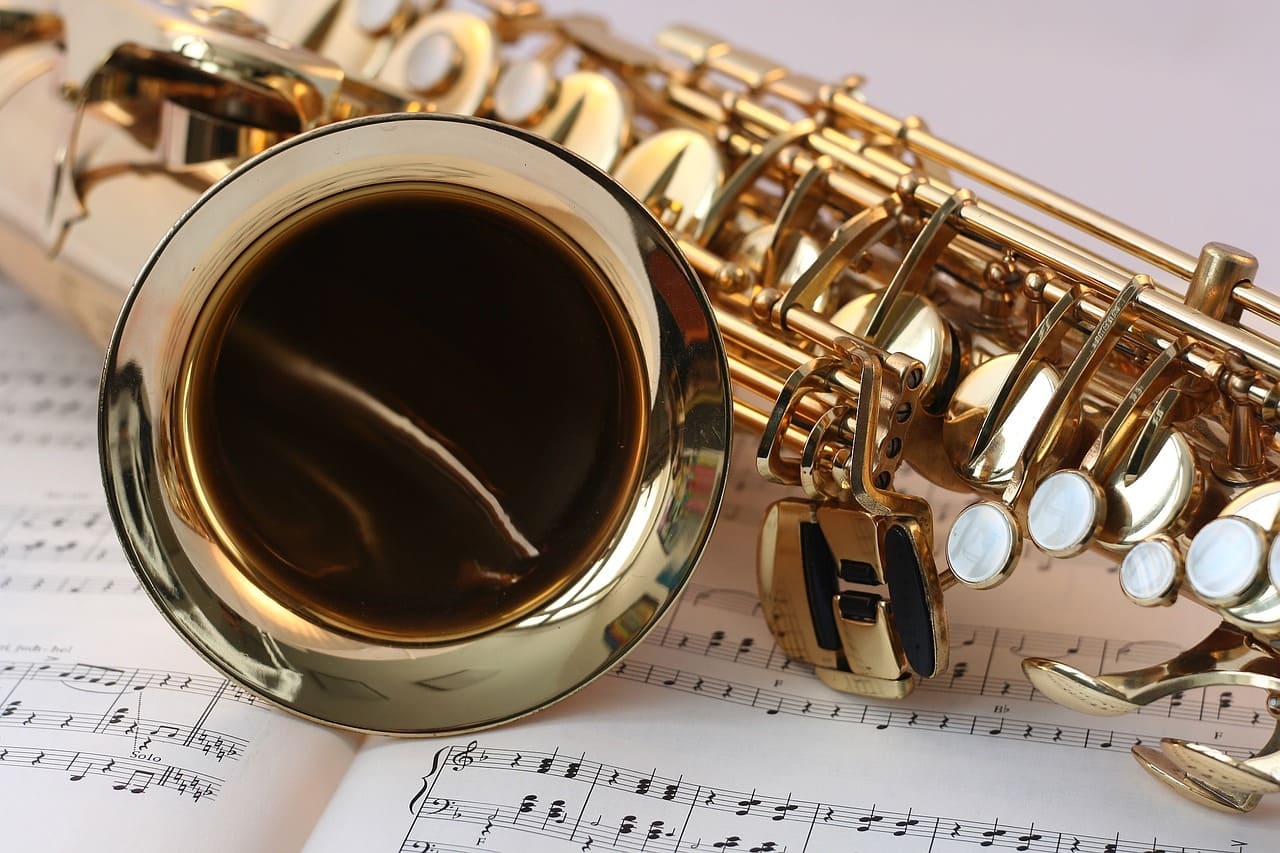
For deeper woodwind color, the bassoon brings a rich, woody low voice that can sound playful or dramatic depending on the piece. And while it’s made of brass, the saxophone is also a woodwind because it uses a reed—one reason it can blend smoothly with other winds while still sounding bold and unmistakably “itself.”
Brass: Bright Power and Warm Foundation
Brass instruments are built for presence, but great brass playing is about control as much as volume. The trumpet often leads with a clear, ringing tone that can feel celebratory or heroic, yet it can also play softly with a delicate, lyrical touch. The trombone adds a unique expressiveness thanks to its slide, letting it glide between notes in a way that sounds almost like a voice bending pitch.
Anchoring the section is the tuba, which supplies depth and warmth. It’s the instrument that can make a band feel “big” even at moderate volume, supporting harmonies and giving rhythm a strong foundation. Together, brass instruments can create anything from gentle glow to stadium-level energy.
Strings: Warm Emotion and Folk Sparkle
String instruments often feel emotional because they can shape each note—growing, fading, vibrating, and leaning into a phrase. The cello is a standout for its deep, singing tone, sitting in a range that feels both comforting and dramatic. It can carry a melody with warmth or provide a steady, pulsing support underneath other instruments.
In folk and traditional music, fiddles bring a different kind of personality. They can sound sweet and lyrical or fast and fiery, depending on the style and rhythm. Mandolins add bright shimmer and quick attack, giving music a lively sparkle that works beautifully in acoustic settings and energetic dance tunes.
Percussion and Global Sounds: Rhythm, Drama, and Texture
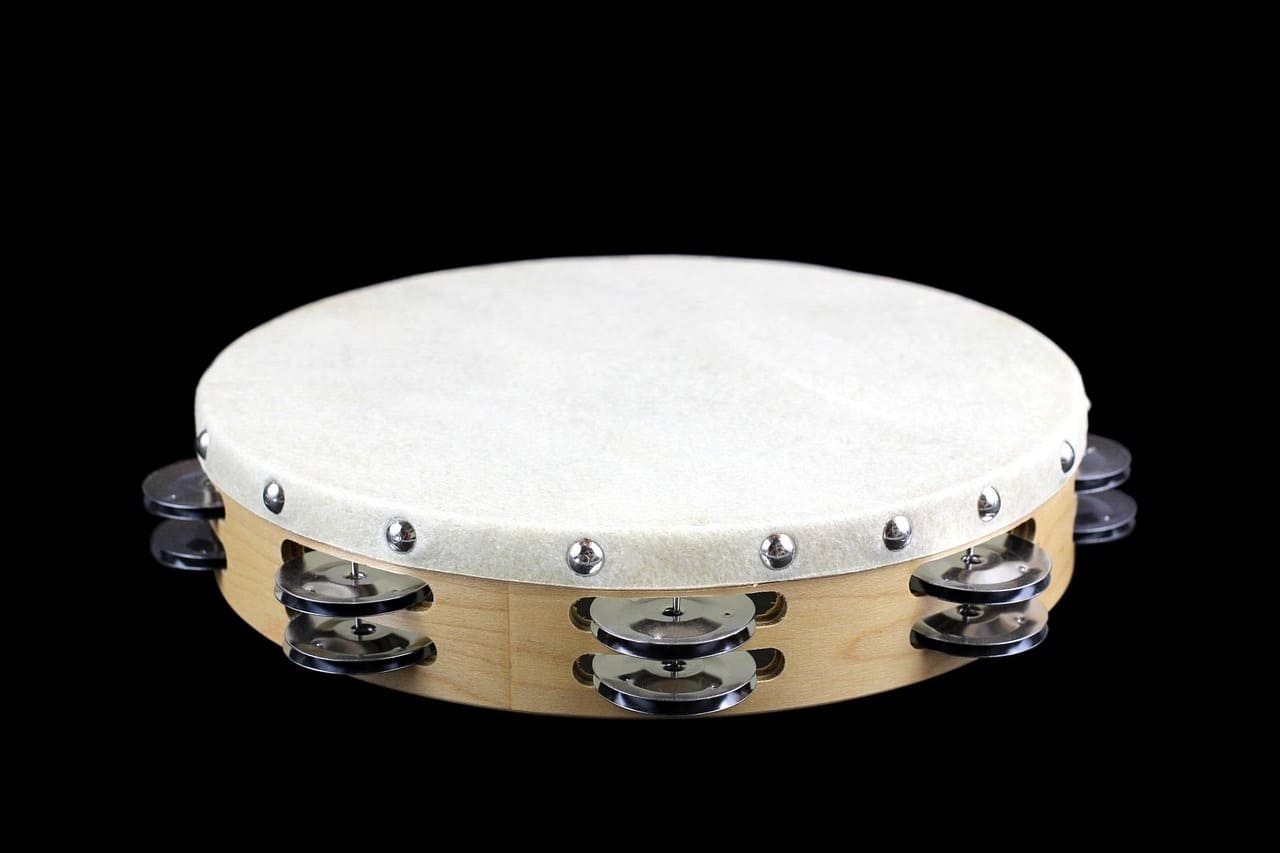
Percussion is the heartbeat of music, shaping energy and momentum. A tambourine might seem simple, but its crisp jingles can lift a chorus instantly and add shine to a groove. For big orchestral impact, timpani create drama with rolling thunder, sharp accents, and powerful swells that make climactic moments feel larger than life.
And music isn’t limited to Western orchestras and bands. The didjeridu introduces a deep drone and rhythmic texture created through breath technique, offering a hypnotic sound world that reminds us instruments don’t need many notes to be compelling—sometimes one voice, used creatively, can fill the whole room.
Conclusion
Learning instruments is really about learning sound: how brightness differs from warmth, how rhythm differs from melody, and how each instrument adds its own personality. From the expressive oboe and versatile clarinet to the bold trumpet, sliding trombone, grounding tuba, and unmistakable saxophone, every voice has a role. Add the warmth of cello, the sparkle of mandolins, the energy of fiddles, the depth of bassoon, and the punch of tambourine and timpani, and you start hearing music as a layered masterpiece. Even a unique instrument like the didjeridu shows how wide the musical world can be. The more you listen, the more you’ll recognize—and enjoy—what each instrument brings.