
The tambourine may be small, but it can change the feel of a whole performance in seconds. One crisp shake can lift a chorus, add a bright shimmer to a groove, or make a quiet acoustic moment feel lively and complete. That’s why you hear tambourines everywhere: pop, rock, folk, worship music, marching bands, and even orchestras. It’s easy to underestimate a tambourine because it looks simple, yet great tambourine playing is all about timing, touch, and control. Whether you’re a beginner looking for your first percussion tool or a musician building a rhythm section toolkit, the tambourine is one of the most useful additions you can make. In this Sax and More Music guide, we’ll explore how the tambourine works, the different types you’ll see, and how to use it musically—without overpowering the song.
What a Tambourine Is and How It Works
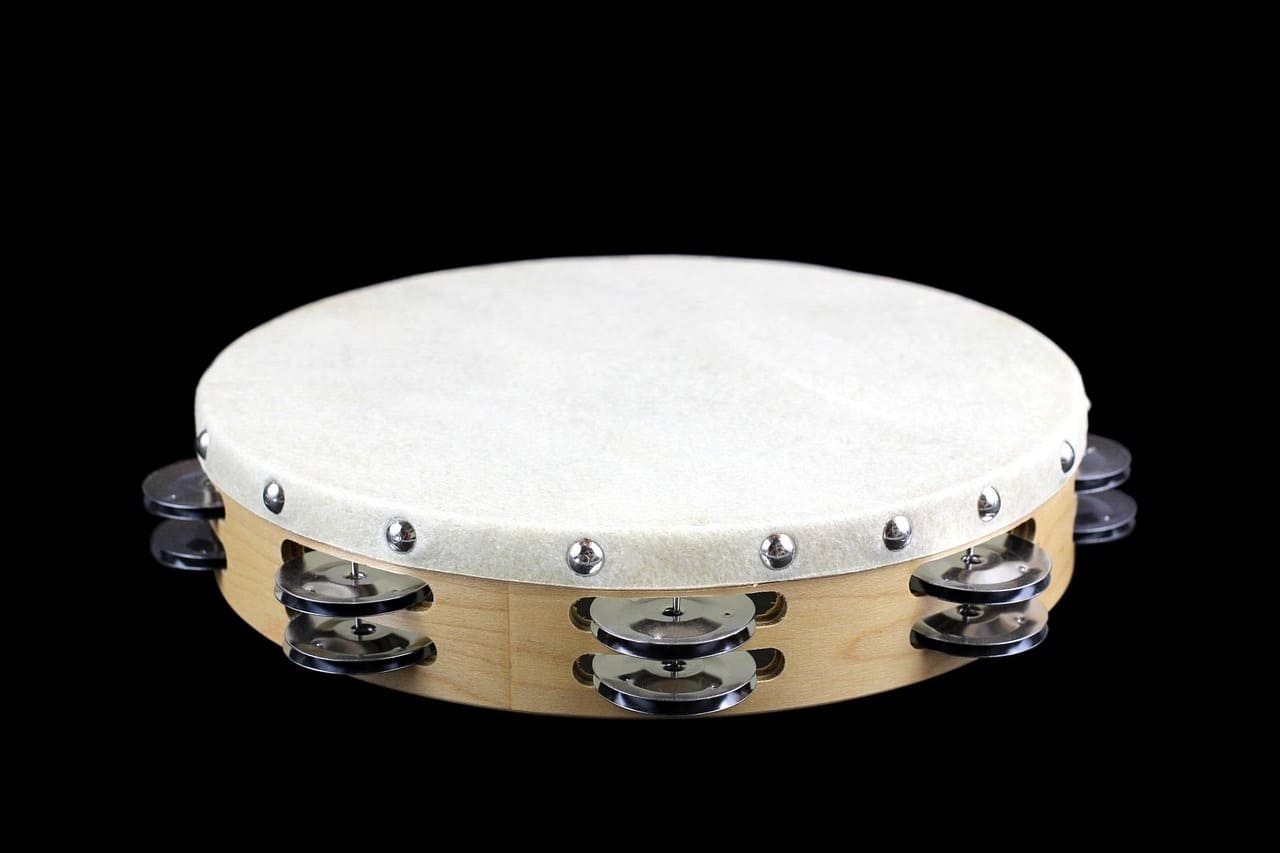
A tambourine instrument is typically a handheld frame with pairs of small metal jingles (called zills) set into the sides. When you shake, tap, or strike it, those jingles create a bright, ringing sound. Some tambourines also have a drumhead, which adds a deeper “thump” beneath the shimmer.
What makes the tambourine musical instrument special is that it can act like both rhythm and texture. It doesn’t just keep time like a drum; it adds sparkle around the beat. In a band, it can highlight the backbeat, emphasize transitions, and help the groove feel wider without needing extra instruments.
Why Tambourines Sound So Good in a Mix
Tambourines sit in a frequency range that often cuts through guitars and keys without needing a lot of volume. That’s why producers love them: you can feel the energy even when the tambourine is mixed quietly. A steady shake can make a chorus feel more exciting, while a few well-placed hits can make a verse feel more rhythmic and alive.
The secret is restraint. A tambourine is powerful because it’s bright—too much brightness can become distracting. Great players think like arrangers: “Where does this song need shine, and where does it need space?”
Different Types of Tambourines
Tambourines come in many styles, and choosing the right one depends on how you plan to use it.
Handheld frame tambourines:
These are the classic style. They’re great for stage performance, group music-making, and recording because you can shake them, tap them, or strike them with your palm.
Mini tambourines:
Mini tambourines are perfect for quick accents, classroom settings, and smaller hands. They’re easy to carry and fun to use, especially when you want the tambourine sound without a large instrument.
Foot tambourine:
A foot tambourine attaches to your shoe or sits under your heel, allowing you to jingle while playing another instrument (like guitar). This is especially popular for singer-songwriters who want a simple rhythm layer without adding a drummer.
Infant tambourine:
An infant tambourine is usually designed for safety and early music play. It may have softer edges, simplified construction, and a gentler sound. It’s a great way to introduce rhythm and movement to very young children in a fun, low-pressure way.
These different options show how versatile the tambourine can be—from professional performances to playful learning.
Basic Techniques That Make It Sound “Professional”
Even though it’s easy to pick up, the tambourine rewards technique. A few habits make a big difference:
- Control the ring: Let the jingles speak, but don’t let them blur every beat.
- Use accents intentionally: Hit on key beats (often 2 and 4 in many styles) rather than constantly shaking.
- Practice clean starts and stops: Being able to cut the sound quickly is a huge skill.
- Experiment with touch: Tapping with fingertips gives a lighter sound; striking with the palm gives a stronger hit.
The goal is musical clarity—supporting the song instead of competing with it.
Where Tambourines Show Up in Real Music
Tambourines shine in grooves that need motion. They’re common in upbeat pop, rock choruses, folk strumming patterns, and big group singing where a little extra energy helps. They also show up in more subtle ways: a gentle shake can create atmosphere behind a vocal, like a soft shimmer that makes the track feel bigger.
Because tambourines are portable and easy to add, they’re also popular in casual jam sessions, music classrooms, and home recording setups.
A Natural Connection: Tambourine and the Didjridu
It might seem like tambourines and the didjridu live in different musical worlds, but they actually complement each other beautifully. The didjridu is known for its deep drone and rhythmic pulses, often created through breath technique and subtle articulation. A tambourine can add a bright, crisp layer on top of that low foundation, creating a full spectrum of sound: deep texture below, sparkling rhythm above. This contrast—low drone and high jingle—shows how instruments from different traditions can blend in creative, modern ways.
Conclusion
The tambourine is proof that a small instrument can have a huge impact. Whether you’re using a classic tambourine musical instrument in a band, adding mini tambourines to a classroom rhythm activity, layering groove with a foot tambourine, or exploring early music play with an infant tambourine, the goal is the same: add rhythm, shine, and energy in a way that supports the music. And when paired with unexpected sounds like the didjridu, the tambourine becomes even more exciting—showing how simple tools can unlock new musical textures. Master the timing, use it with intention, and you’ll find the tambourine is one of the most versatile instruments you can own.