
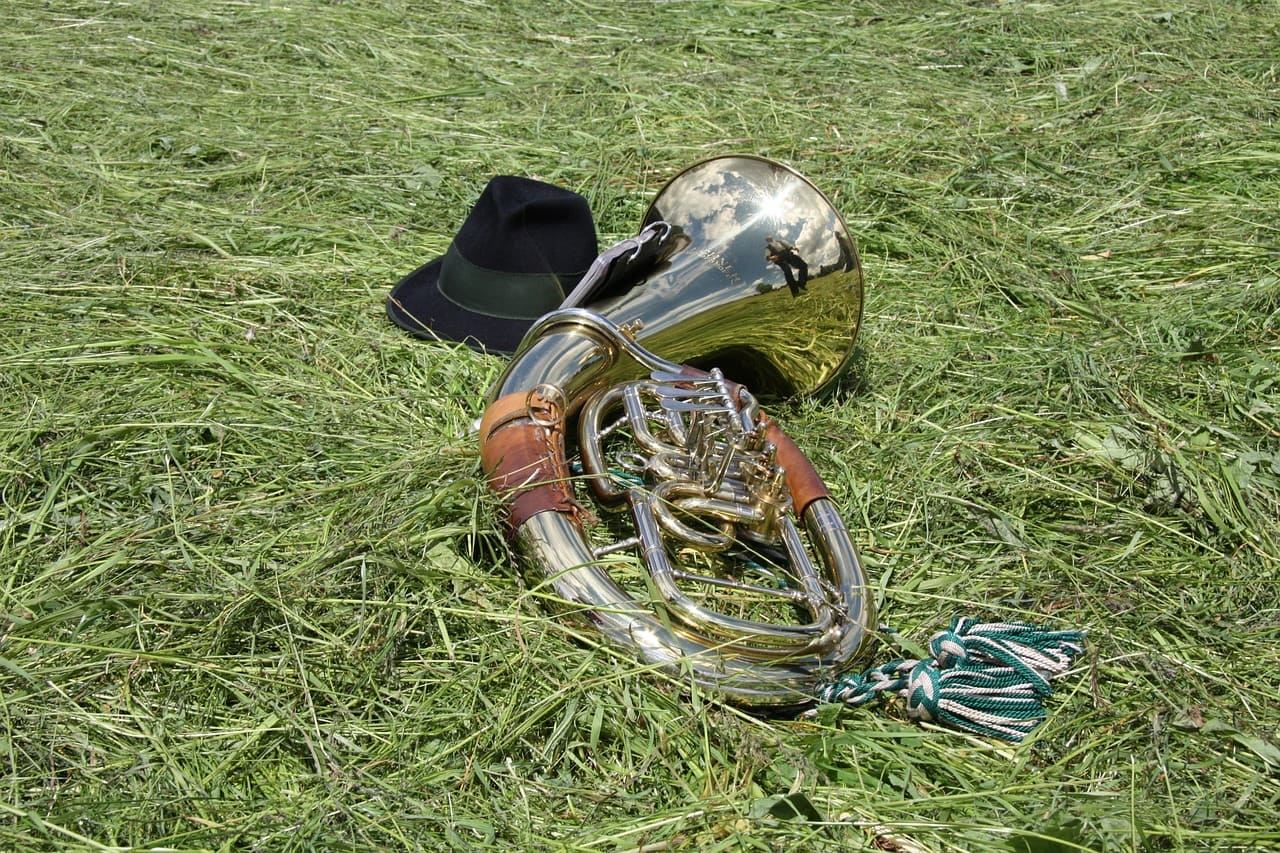
The tuba is the quiet powerhouse of the music world. Even when you don’t notice it right away, you feel it—like the floor under the harmony and the engine behind the rhythm. A great tuba line makes a marching band sound unstoppable, an orchestra sound full and warm, and a brass ensemble sound balanced instead of top-heavy. The tuba can be bold and booming, but it can also be gentle, rounded, and surprisingly lyrical. That range is what makes the instrument so important: it’s not only about “playing low,” it’s about shaping the entire sound of the group. In this Sax and More Music guide, we’ll explore what makes the tuba special, how it functions in ensembles, and why tubas remain essential across styles from classical to jazz to parade-ready marching music.
What the Tuba Is and How It Works
Tuba instruments are the largest and lowest standard members of the brass family. Like other brass instruments, the tuba produces sound when the player buzzes their lips into a mouthpiece, sending vibrations through the instrument’s tubing. Valves change the length of that tubing, which changes pitch.
What makes a brass tuba feel so different from smaller brass is its size and depth. The long tubing and large bell create a broad, resonant low tone that can fill a room without sounding harsh. It’s the kind of sound that supports everyone else—helping chords sound richer and rhythms feel grounded.
Brass Instruments Tuba: The Role It Plays in an Ensemble
The brass instruments tuba role is often compared to a bass guitar in a band. It supports harmony, reinforces rhythm, and connects the ensemble’s sound from top to bottom. In an orchestra, the tuba often strengthens the low brass section, adding weight to climaxes and providing warm support under trombones and horns. In a concert band, it helps stabilize intonation and gives the group that “big” sound.
In brass ensembles and pep bands, the tuba can be a true groove instrument—driving the pulse with repeated patterns that make the music feel alive. In jazz settings, tubas can walk bass lines, punch accents, and even solo with a playful, bouncy tone that surprises people who think the instrument is only for background support.
The Sound: From Thunder to Velvet
The tuba has a massive dynamic range. It can deliver a powerful, room-shaking note, but it can also play softly with a warm, velvety tone that blends beautifully. That’s why a skilled player is valuable: the tuba isn’t just “loud low notes.” It’s control—how the note starts, how it sustains, how it releases, and how it locks into the ensemble’s rhythm.
A good tuba sound is:
- Centered: clear pitch, not airy or fuzzy
- Warm: full resonance without harshness
- Flexible: able to blend or stand out as needed
- Steady: consistent tone across registers
When the tuba tone is stable, the entire group feels more confident.
Tubas in Marching Music: The Visual and Sonic Anchor
A marching tuba is built to project sound while the player moves. Marching settings demand durability, comfort, and strong projection—because you’re performing outdoors, often while walking, turning, and keeping visual alignment.
In many marching bands, the tuba line becomes the backbone of the ensemble’s pulse. The sound provides the foundation for snares and bass drums to lock into, and it supports the melodies above so they don’t feel thin. Even listeners who can’t name the instrument often recognize when the tuba line drops out—everything suddenly feels lighter.
Marching music also highlights the tuba’s rhythmic power. The low notes don’t just support harmony—they create drive, like a musical heartbeat you can march to.
Choosing and Appreciating Tuba Instruments
People sometimes imagine that all tubas sound the same, but tuba instruments vary in feel and tone. Differences in size, bell shape, and tubing design affect how the instrument responds. Some tubas feel more nimble and focused; others feel broader and darker. In different ensembles, players choose what best matches the group’s sound.
No matter the model, the basics are the same: strong breath support, controlled buzzing, and clean articulation. Once those are in place, the tuba becomes remarkably expressive—capable of smooth, singing lines as well as powerful rhythmic punches.
A Surprising Musical Connection: Mandolins and the Low End
At first glance, mandolins and the tuba seem worlds apart: one is bright, quick, and shimmering; the other is deep, broad, and grounding. But they can complement each other beautifully. In folk or crossover arrangements, mandolins add sparkle and rhythmic definition on top while the tuba adds warmth and depth below. That high-low contrast makes the music feel wide and complete—like a full spectrum from shimmer to thunder. It’s also a great reminder that the tuba isn’t limited to classical or marching settings; it can be a creative partner in unexpected musical blends.
Conclusion
The tuba is the foundation that makes ensembles sound whole. Whether you’re hearing tubas in a concert hall, enjoying the punch and drive of a marching tuba on a field, or noticing how a brass tuba fills out a jazz or brass ensemble, the instrument’s role is always essential: support, depth, and momentum. As one of the most important brass instruments tuba voices, it anchors harmony and rhythm with warmth and power. And in creative settings—especially when paired with bright instruments like mandolins—the tuba shows its versatility and musical charm. Once you start listening for the tuba, you’ll realize it’s often the reason music feels so satisfying.